
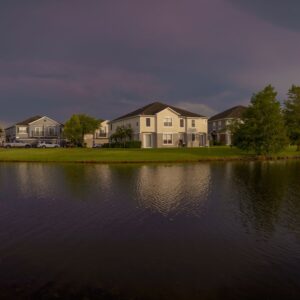
If your dock rocks when you walk across it, or if pilings look leaned since the last storm season, the Tolomato River’s brackish tidal water and boat wake stress are likely culprits. Nocatee’s waterfront homes on this river experience salt-air corrosion that works quietly beneath the surface, loosening fasteners and weakening pilings year-round. The newer docks in this planned community often need dock repair in Nocatee to address settling from seasonal load shifts and tidal surges. Near Davis Park and throughout residential areas, we see decking that feels soft underfoot, bulkheads with undermined footings, and leaning pilings. These aren’t cosmetic issues; they signal structural failure below the waterline.
A leaning piling often signals wash-around below the mud line, which if left untreated eventually pulls the entire decking out of level. Brackish tidal water with salt-air corrosion accelerates this process, especially during boat wake stress cycles that occur daily on the Tolomato River. We see three damage patterns repeatedly in Nocatee: pilings that have rotted where they meet water, bulkheads with undermined footings, and decking that settles unevenly. Piling repair addresses the leaning and rot. Bulkhead reinforcement stops undermining before it spreads. Leveling work and boat lift adjustment restore function after the structural damage is halted.
We serve Nocatee’s residential waterfront homes, HOA-managed properties near Nocatee Town Center, and boat owners who rely on stable docks. This planned community’s architectural review process means any repairs or upgrades need to fit neighborhood standards, which we navigate routinely. Our experience with St. Johns County waterfront permitting and marine-grade materials rated for brackish tidal water with salt-air corrosion ensures repairs comply with regulations and withstand seasonal stress. After hurricane season, we assess structural integrity comprehensively, checking piling soundness, framing rot, and foundation settlement. Whether it’s post-storm damage or a new dock enhancement tied to home upgrades, we diagnose exactly what’s needed before proposing repairs.
Request a free assessment and we’ll evaluate your dock’s actual condition before quoting any work. We’ll check pilings for rot, test deck stability, and inspect the framing hidden below the waterline. Nocatee waterfront properties near Davis Park and throughout the area benefit from early diagnosis. We assess what’s wrong, explain the findings clearly, and only then propose repairs. No surprises, no pressure.
Watch for a rocking sensation when you walk across your dock, especially on one side, which signals piling settlement or wash-around. Boards that feel soft or spongy underfoot typically mean moisture has penetrated fasteners and wood below. On the Tolomato River, brackish tidal water with constant salt-air corrosion can make pilings appear leaned or crooked even when they were vertical months earlier. A misaligned bulkhead or cap that cracks and separates also indicates undermining below the mud line. These signs develop gradually in Nocatee’s waterfront homes, so catching them early prevents structural collapse.
Repair cost depends on piling depth, which varies across Nocatee’s waterfront. Docks on the Tolomato River with pilings driven ten feet or deeper cost more to repair because accessing and replacing that depth requires specialized equipment. The type of damage matters: rotted wood costs less than addressing extensive wash-around and structural settling. Brackish tidal water with salt-air corrosion also influences material selection; marine-grade fasteners, preservatives, and concrete caps all protect longer but cost more upfront. Deck scope and whether bulkheads need reinforcement add to the total. A comprehensive site assessment determines what your specific dock needs.
Spring is ideal for repairs because it lets your dock stabilize through summer without the stress of hurricane season approaching. Northeast Florida’s June through November hurricane season can complicate repairs; contractors are harder to schedule, and you’ll want storm damage inspected immediately rather than waiting. If you spot problems now, scheduling repairs before mid-May gives you a buffer. Post-storm assessments in Nocatee are urgent because secondary damage develops quickly once pilings are compromised. A pre-season inspection, even if repairs aren’t immediately necessary, identifies problems early so you can plan and budget ahead.
The decision depends on piling condition below the mud line, where most rot and corrosion happens on the Tolomato River. If pilings are sound and only decking or fasteners are damaged, repair is almost always the right choice. When multiple pilings show extensive rot, wash-around, or structural tilt, replacement becomes necessary. Framing integrity and bulkhead condition also factor in; if the underlying structure is compromised, you’re really rebuilding rather than repairing. We assess the mud-line condition, test wood soundness, and examine framing before recommending either path. Most Nocatee docks are successfully repaired when caught early.
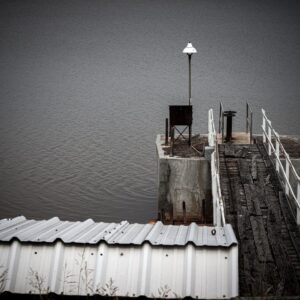
Your dock has a story to tell. Soft pilings, a listing deck, or corrosion damage all point to specific problems below the waterline that we diagnose before you commit to anything. Nocatee and St. Johns County waterfront properties deserve a clear-eyed assessment from someone who has worked on dozens of Tolomato River docks in all conditions. Contact us to discuss what you’re observing, and we’ll help you understand your options and next steps.