
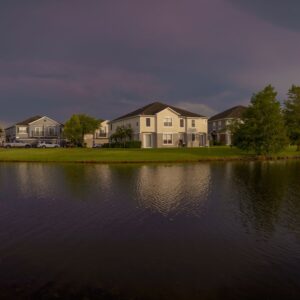

If your dock rocks when you walk across it, or if pilings look leaned since the last storm season, the St. Johns River’s tidal movement and brackish water are likely at work underneath. Mandarin’s river bluffs mean most docks extend out over deeper water with long ramps, and that extended span puts extra stress on pilings as boats pass and water levels shift. Salt-air corrosion wears through protective coatings faster than expected around Mandarin Park and the bluffs. Dock repair in Mandarin, FL starts with understanding what the river does to your specific structure, not just patching visible damage. Early diagnosis prevents expensive settling problems down the road.
A leaning piling often signals wash-around below the mud line, which if left unchecked eventually pulls the whole decking out of level. That’s where piling repair and dock leveling become essential. Brackish tidal water on the St. Johns River accelerates rot and corrosion around fasteners and below the waterline, so many Mandarin docks also need bulkhead work or undermining addressed before it spreads. Decking that feels soft underfoot usually means moisture reached the framing beneath. Boat wake stress and salt-air corrosion are facts of riverside living. Starting with a clear diagnosis of what’s failing saves money and prevents cascade damage.
Residential waterfront homes around Mandarin Park, semi-private boat-access neighborhoods, and HOA-managed properties on the St. Johns River all face the same challenge: pilings in brackish tidal water settle at different rates, decking shifts unevenly, and materials corrode faster than inland docks. Our work spans new builds where enhancement and dock leveling are part of finishing the property, to mature homes where post-storm assessments and ongoing piling maintenance prevent catastrophic failure. We’re familiar with Duval County waterfront permitting timelines, marine-grade materials for salt-air corrosion and boat wake stress conditions, and the hurricane damage assessments that come after Northeast Florida’s storm season. Your dock’s specific site matters more than generic repair formulas.
A free assessment is how Mandarin dock repairs start. We’ll inspect your pilings, fasteners, decking, and bulkhead around Mandarin Park and the St. Johns River bluffs to identify what’s actually failing, not just what looks worn. Once you know what’s wrong, you can decide whether to repair, level, or plan a longer strategy. No guesswork, no surprise quotes after work begins.
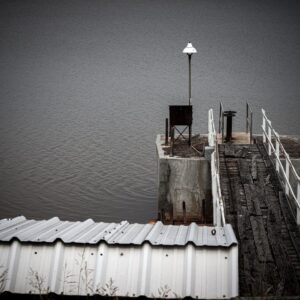
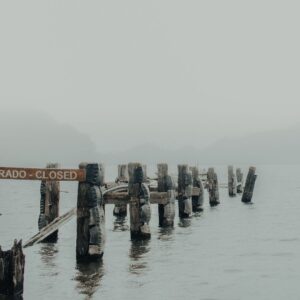
Look for a dock that rocks underfoot when you walk across it, which signals piling movement below the waterline. Pilings that lean visibly indicate wash-around or settling in the brackish tidal water of the St. Johns River. Decking that feels soft or spongy suggests moisture damage in the framing underneath. A bulkhead that tilts or shows visible cracks is undermining, especially common on Mandarin’s river bluffs where deeper water puts constant stress on caps. After storm season, uneven sections of decking or ramps that tilt reveal piling settlement. Any of these warrant a professional inspection.
The scope of damage below the waterline drives cost more than what you see above it. A single piling with wash-around costs far less than a dock where multiple pilings have settled or where brackish tidal water has eaten through framing at the mud line. The extent of decking rot, whether your bulkhead cap needs repair or replacement, and the material choice for salt-air corrosion resistance all factor in. Dock size and how far it extends into the St. Johns River affect material quantities and labor complexity. Our assessment identifies exactly what needs work.
The ideal window is spring and early summer, before Northeast Florida’s hurricane season runs June through November. A pre-season inspection in April or May identifies problems while you have time to plan and schedule repairs. After a storm passes through Duval County, post-storm assessments reveal damage that might not be obvious until pilings shift or bulkhead caps settle further. Many Mandarin homeowners address cosmetic work like decking sealing in fall after water levels drop around the St. Johns River. Emergency repairs can happen any time, but planned work runs smoother outside storm season.
The answer depends on what’s actually failing below the mud line, which is why assessment comes first. If pilings are intact but framing is rotted, decking replacement might be the only work needed. If pilings have shifted or wash-around has compromised structural integrity, repair becomes more expensive and less lasting than replacement. A dock built before modern materials and construction standards may reach a point where replacing it makes financial sense. Our inspection evaluates piling condition, framing age and integrity, and decking scope to guide that decision. Many Mandarin docks extend ten to twenty years with proper repair.
Mandarin’s riverside homes and properties deserve a thorough assessment before any repair quote. The St. Johns River bluffs demand expertise in what brackish tidal water does to pilings over time, and our work reflects that. Whether your dock needs a single leveling treatment, piling reinforcement, or a full structural rework, the first step is understanding the real problem. Get your free assessment scheduled and move forward with clarity, not assumptions.