
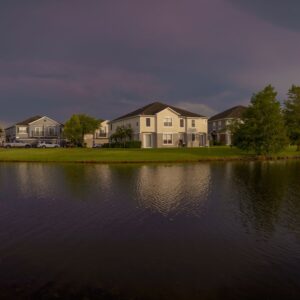
If your dock rocks when you walk across it, or if pilings look leaned since last storm season, the brackish tidal water and boat wake stress on the St. Johns River is likely the culprit. Waterfront homes around the Riverwalk face constant salt-air corrosion and tidal swings that wear decking and loosen fasteners faster than sheltered water bodies. A dock repair in Jacksonville, FL requires understanding how Duval County’s unique tidal cycle and brackish exposure accelerates decay. Most owners find their boards feel soft underfoot within a few years, or see spalling on pilings below the mud line. We assess what’s actually wrong before discussing repairs.
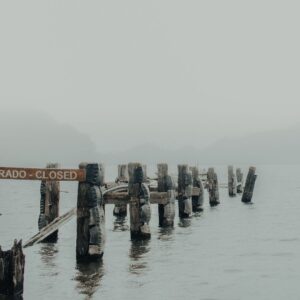
A leaning piling often signals wash-around below the mud line, which eventually pulls decking out of level. On the St. Johns River, salt-air corrosion and tidal scouring undermine pilings faster than protected waters. We typically find overlapping problems: pilings needing reinforcement, decking boards that have absorbed moisture and buckled, and bulkheads settling unevenly. Piling repair addresses the foundation. Dock leveling corrects uneven sections from settlement. Bulkhead repair stops further undermining. Cleaning and sealing extend the life of sound decking. Addressing these early, before storm season, prevents cascading structural failure.
We work with residential homeowners, commercial waterfront properties, and HOA-managed docks throughout Duval County. Homes around the St. Johns River and St. Johns River typically fall into three categories: older docks built for sheltered conditions now exposed to brackish stress, newer multi-family waterfront requiring coordinated maintenance, and boat-owner properties where stability affects safety. What sets our work apart is familiarity with Duval County waterfront permitting, marine-grade materials rated for brackish tidal water with salt-air corrosion and boat wake stress, and post-storm assessment expertise. We understand what fails in this specific environment and plan repairs accordingly.
Contact us for a free dock assessment. We’ll inspect your St. Johns River property near the Riverwalk or anywhere in Jacksonville and diagnose what’s actually driving the wear, settlement, or movement you’re seeing. From there, we quote repairs clearly and prioritize work based on safety and prevention. Most homeowners find a pre-season inspection in late spring saves significant cost and headache when storm season arrives.
Common signs include decking that feels spongy underfoot (moisture has reached fasteners), pilings that visibly lean away from vertical, sections of the dock that sit lower than others (settlement), and bulkheads with visible cracks or tilt. On the St. Johns River, where brackish tidal water and salt-air corrosion accelerate wear, these signs often appear within 3-5 years of neglect. You may also notice separation between decking boards, or pilings that are visibly spalling where exposed to the waterline. Any of these warrants a professional inspection before conditions worsen.
The extent of damage drives cost: surface decking spalling costs less than piling replacement below the mud line. Dock size matters, as does the number of pilings needing work. Materials chosen for brackish tidal water with salt-air corrosion exposure vary in price and durability. Access difficulty on your St. Johns River property affects labor time. Whether repairs are localized or systematic across the entire structure makes a difference. Storm damage often requires structural assessment before quoting, as hidden damage below the waterline isn’t always visible from above.
The ideal window is March through May, before northeast Florida’s hurricane season (June through November). A pre-season inspection during this period identifies weak points and allows repairs before storms stress the structure. If your dock sustains storm damage during the season, assess it immediately after the event, as secondary damage from loosened fasteners and shifted pilings can accelerate decay. Waiting months for repairs after a storm often means additional structural failure. Winter months (December-February) are typically workable but less urgent. Late spring inspections cost far less than post-hurricane emergency repairs.
Replacement isn’t necessary unless pilings are severely rotted or shifted beyond safe tolerance, or the framing structure is compromised. Most Jacksonville docks on the St. Johns River benefit from targeted piling reinforcement, decking replacement, and bulkhead work. Our assessment examines piling integrity below the mud line where brackish tidal water causes most damage, structural framing stability, and decking scope. If the foundation is sound, repairs extend dock life another 10-15 years. If pilings are rotted to instability, replacement becomes the only option. We’ll diagnose which path makes sense for your property.
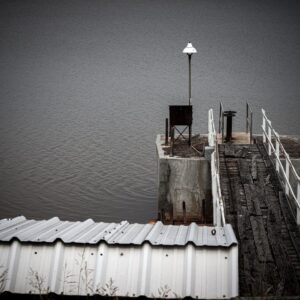
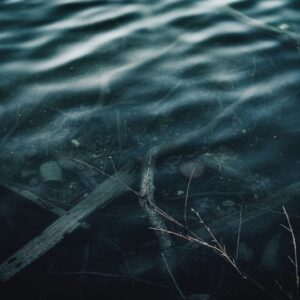
Your dock is the foundation for waterfront living in Jacksonville. Whether your property sits along the St. Johns River near the Riverwalk or in one of Duval County’s quieter residential coves, the brackish tidal water and constant salt-air exposure demand proactive care. We start every job by assessing root cause: piling settlement, structural decay, tidal scouring, or storm damage. Once we understand the issue, repairs follow logically. Call to schedule an inspection and review findings with a technician experienced on St. Johns River docks.