
If your dock rocks when you walk across it, or pilings lean after storm season, the brackish tidal water and constant boat wakes on the Intracoastal Waterway are accelerating wear. In Jacksonville Beach, salt-air corrosion and seasonal wave impact combine to undermine piling integrity and degrade decking sealants faster than in protected waterways. Near Jacksonville Beach Pier or back in Beaches Town Center neighborhoods, the problem is the same: pilings shift, fasteners corrode, and decking feels soft underfoot. Dock repair in Jacksonville Beach FL requires understanding how the water itself stresses your structure over time.
A leaning piling often signals wash-around below the mud line, which pulls decking out of level over time. On the Intracoastal Waterway, this starts with salt-air corrosion, worsened by boat wakes and tidal movement. Soft decking usually means moisture has penetrated boards and corroded fasteners, which sealing can arrest before decay spreads. More severe failures require piling repair to address rot or shift, sometimes combined with dock leveling to restore drainage. Boat-wake impact also stresses lift cables and motors.
Residential waterfront homes on the Intracoastal Waterway around Jacksonville Beach, commercial properties near Beaches Town Center, and HOA-managed waterfronts all face the same challenge: salt-air corrosion and boat-wake stress demand materials and repair methods built for brackish tidal water. We work with Duval County permitting requirements for waterfront structures and use marine-grade materials rated for continuous exposure to salt-air and tidal movement. After Northeast Florida’s hurricane season, dock assessments often reveal hidden piling damage below the waterline that surface inspection misses. Whether your dock is mature with aging pilings or a newer build where enhancement work is planned, understanding what the Intracoastal Waterway is doing to your structure shapes every repair decision.
Get a free assessment of your Jacksonville Beach dock before hurricane season arrives. We identify what’s actually wrong: leaning pilings, soft decking, bulkhead settlement. If you’re near Jacksonville Beach Pier or anywhere along the Intracoastal Waterway, scheduling an on-site inspection now lets you plan repairs on your timeline, not the weather’s.
Watch for pilings that lean or look shifted, decking that rocks underfoot or feels soft, sections that have sunk noticeably, and bulkheads that pull away from shore. On the Intracoastal Waterway, salt-air corrosion and boat-wake stress hide damage below the waterline until surface problems emerge. A dock level after storm season but now tilting unevenly usually means piling settlement. If fasteners or bolts show rust staining or corrosion, underground degradation is typically further along than it appears from above.
Damage type affects repair scope: a sealant refresh differs greatly from piling replacement. Dock size, material type, piling depth, and how far corrosion has spread below the mud line all influence what work is needed. Salt-air corrosion and boat-wake stress on the Intracoastal Waterway accelerate wear compared to protected waterways, affecting repair urgency and material selection. Whether repair is structural, piling, framing, or cosmetic, decking, sealing, also determines work scope. A pre-inspection in Duval County reveals what you’re dealing with before any estimate is offered.
June through November is Northeast Florida’s hurricane season, making it the riskiest time for dock failure. Spring inspections before storm season let you address problems while weather is predictable and contractor availability is better. After a storm passes, damage becomes visible, but repair crews are often backlogged for weeks. If you notice problems now and wait until summer, boat-wake stress and salt-air corrosion will worsen them. Addressing soft decking or leaning pilings in spring means your dock is solid before hurricane conditions arrive.
That depends on what sits below the mud line. If pilings are sound but decking is worn, repair makes sense. If pilings show rot, lean, or have lost structural integrity from salt-air corrosion and boat-wake stress on the Intracoastal Waterway, replacement or major rebuild is safer. Framing that has deteriorated limits repair scope. A site inspection uncovers what you’re working with: sometimes partial replacement of problem sections combined with targeted sealing extends dock service life significantly. The diagnostic step, assessing what’s really failed, comes before any recommendation.
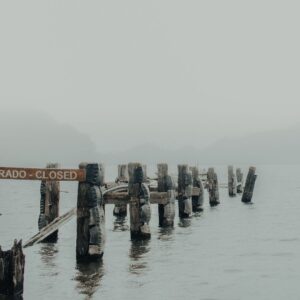
Your dock isn’t the only structure on Jacksonville Beach feeling the strain of Intracoastal Waterway exposure. Whether repair makes sense or replacement is needed depends on what lies below the mud line, how much framing has deteriorated, and what scope of work your decking requires. Schedule a site visit to the SeaWalk area or your neighborhood, and we’ll diagnose the actual damage before discussing options. Clear assessment, honest guidance, repair plans tailored to Jacksonville Beach conditions.