
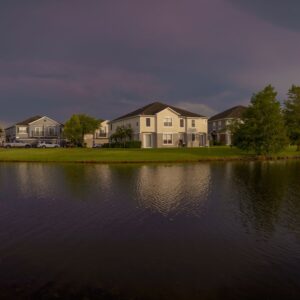

If your dock rocks when you walk across it, or if pilings look leaned since the last storm season, the brackish tidal water of the St. Johns River is likely at work. Hibernia’s waterfront sees constant exposure to salt-air corrosion and boat wake stress that weakens fasteners, shifts pilings, and softens decking from underneath. The longer ramp runs common to properties near Fleming Plantation historic site and throughout Hibernia mean more water contact, more movement, and more structural fatigue. Dock repair in Hibernia, FL often starts with understanding these river conditions and what they’ve already done to your structure.
A leaning piling often signals wash-around below the mud line, which if left alone eventually pulls the decking out of level. In Hibernia, the constant tidal action and brackish water accelerate this process. You might notice soft boards underfoot, which usually means moisture has reached fasteners underneath, calling for piling repair or structural reinforcement. Sinking sections suggest settlement, which dock leveling can address. Cracks in your bulkhead mean the St. Johns River’s wash-around is undermining your shoreline, and sea wall and bulkhead work stops further damage. Regular cleaning and sealing preserves decking against salt-air corrosion.
Most dock owners in Hibernia manage 1-2 residential properties with private docks on the St. Johns River, many with structures dating back decades. Some oversee HOA-managed waterfronts or small commercial docks near Fleming Plantation historic site and throughout Hibernia Forest. All face the same challenge: brackish tidal water with salt-air corrosion and boat wake stress that demands material choices and assessment methods specific to Clay County waterfront. We assess piling integrity below the mud line, evaluate framing against local hurricane seasons, and recommend refurbishment over replacement when the structure warrants it. Post-storm damage after Northeast Florida’s hurricane season often means urgent assessments before secondary damage spreads.
Request a free dock assessment in Hibernia. We evaluate what’s actually wrong before quoting any repairs. Whether your pilings are leaning, your decking feels soft underfoot, or recent storm damage has unsettled your structure near Fleming Plantation historic site, we diagnose the root cause first. Then we explain your actual repair options based on what we find, not guesswork or assumptions.
If your dock rocks when you walk across it, your pilings may have shifted due to St. Johns River tidal action. Soft boards underfoot usually signal moisture damage in fasteners beneath the decking. A visibly leaning piling often means wash-around below the mud line is pulling the structure toward deeper water. Misaligned or cracked bulkhead edges point to shoreline undermining from brackish tidal water and salt-air corrosion. Any of these warrant an assessment before the damage spreads to structural framing.
Several factors shape repair scope and material needs in Hibernia. Damage type matters: a surface decking issue costs differently than structural piling work below the mud line. Dock size and length, especially common in Hibernia’s long ramp runs, affects labor and material volume. Brackish tidal water with salt-air corrosion and boat wake stress exposure determines which fasteners and sealants we specify. Your dock’s age and framing condition also influence whether refurbishment is viable or replacement becomes necessary.
Pre-season inspections in spring, before Northeast Florida’s hurricane season, catch problems early. June through November brings the highest risk; storm surge and heavy wind can expose hidden piling damage and bulkhead cracks that spread fast in brackish tidal water. If your dock took damage during hurricane season, repair timing depends on safety: if decking is soft or pilings are noticeably leaned, address it immediately to prevent failure. Off-season repairs avoid weather delays, but damage assessment should not wait.
The answer depends on what we find in your assessment. If pilings are structurally sound below the mud line and framing is straight, decking refurbishment and hardware upgrades often restore dock function for years. But if pilings show deep rot, framing is twisted or pulling away, or multiple sections are sinking in Hibernia’s St. Johns River, replacement may be more cost-effective long-term. We assess the piling integrity, framing condition, and scope of decking damage, then compare repair versus replacement options.
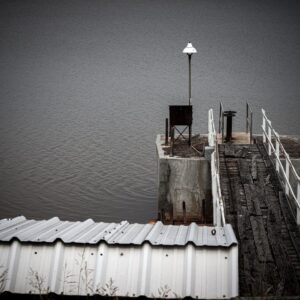

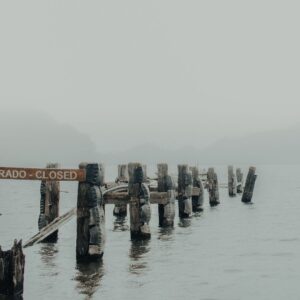
Dock damage in Hibernia doesn’t improve with time. Whether your St. Johns River dock is showing signs of piling settlement, salt-air corrosion, or structural wear, we start by assessing the real problem. Call Docks MD to schedule your evaluation. We walk the dock, check the pilings, evaluate your shoreline conditions, and explain what repair work makes sense for your Hibernia waterfront near Hibernia Forest and beyond. No pressure, just clarity.