
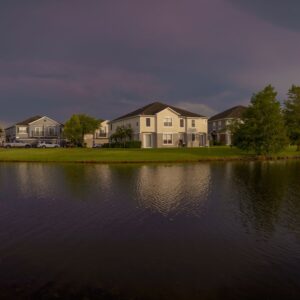

If your dock rocks when you walk across it, or if pilings look leaned since last storm season, the brackish tidal waters at the junction of Doctor’s Lake and the St. Johns River are likely at work. Docks in Doctors Inlet near US-17 face intense pressure from wind-driven boat wakes and salt-air corrosion that softens fasteners and undermines pilings below the mud line. Settling decking, misaligned sections, and weeping wood indicate moisture penetration that accelerates when Doctors Inlet experiences seasonal chop. Catching these early signs prevents collapse. Dock repair in Doctors Inlet requires understanding how Doctor’s Lake’s shifting tides and boat traffic combine to stress older framing.
A leaning piling often signals wash-around below the mud line, which if left alone eventually pulls the decking out of level. Boards that feel soft underfoot usually mean moisture has reached the fasteners underneath, a problem that accelerates in brackish tidal water with salt-air corrosion. In Doctors Inlet, piling repair and dock leveling are the two most requested services because Doctor’s Lake’s boat wake stress and tidal cycling combine to loosen connections. Sea wall and bulkhead repairs prevent undermining when wash-around persists, while cleaning and sealing slows the corrosion cycle for decking and fasteners exposed to salt-laden air.
Residential waterfront homes around Doctor’s Lake often have decades-old docks in need of assessment, while newer builds in Doctors Inlet require post-construction dock enhancements. HOA-managed communities and semi-private marinas need predictable solutions for shared infrastructure. Each customer type faces the same underlying challenge: brackish tidal water with salt-air corrosion and boat wake stress at the lake-to-river transition near Doctor’s Inlet Bridge. We’re familiar with Clay County waterfront permitting for repairs, hurricane damage assessments after Northeast Florida storm season, and sourcing marine-grade materials that withstand the chop that builds up between Doctor’s Lake and the St. Johns. That local knowledge saves owners money and headaches.
Wind-driven wakes, salt-laden air, and tidal cycling wear on Doctors Inlet docks faster than most homeowners realize. A free assessment identifies what’s actually wrong before we quote repairs. We’ll inspect pilings below the mud line, check whether the decking shows moisture damage, and walk you through the findings before any work begins. Call today to see what your Doctor’s Lake dock needs.
Watch for a leaning piling, soft decking that yields underfoot, uneven sections after a storm, or a misaligned bulkhead cap. In Doctors Inlet, these symptoms develop faster due to Doctor’s Lake’s brackish tidal water with salt-air corrosion and boat wake stress. Fasteners corrode, pilings settle below the mud line, and wood grain weakens from constant moisture. If sections sink in different patterns or the dock moves noticeably when you walk it, the underlying framing has likely shifted. Early signs are easier to reverse than full structural failure.
Damage type is the primary cost driver: a single leaning piling costs far less than multiple pilings requiring replacement or a full bulkhead undermining repair. Dock size, materials selected (pressure-treated lumber, composite, or marine-grade hardware), and the depth of damage below the mud line also matter. Doctor’s Lake’s brackish tidal water with salt-air corrosion and boat wake stress means materials must be chosen carefully to resist oxidation. Pre-storm condition and access to the site factor in as well. A full assessment shows exactly what repairs are needed and why.
The ideal window is late spring or early autumn, before June when Northeast Florida hurricane season begins. Pre-season inspections in April or May catch small problems before wind events stress Doctors Inlet’s docks during summer chop. If your dock is damaged after a storm, repairs should start quickly: salt-soaked wood deteriorates fast in brackish tidal water. Post-storm damage also affects insurance claims and permitting timelines in Clay County. Spring repairs give you a safe dock for the entire boating season, while autumn work prepares you for winter weather.
Diagnosis comes first. If pilings below the mud line are still solid and the main framing is intact, repair usually wins. Rotted or severely leaned pilings, corroded fasteners throughout, or multiple sinking sections point toward replacement. Doctor’s Lake’s brackish tidal water with salt-air corrosion means decay happens in layers: what looks fine above the waterline may be compromised below. We inspect pilings, test wood grain strength, and assess decking scope. Small repairs stop further damage. Major structural failure is usually cheaper to replace. A clear assessment explains which path saves you money and protects your property.
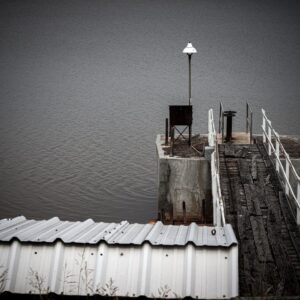
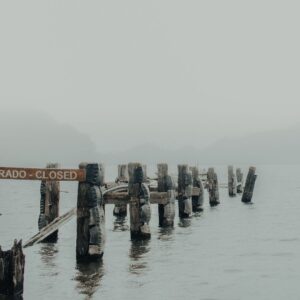
Docks in Doctors Inlet sit at one of Clay County’s most challenging transitions: where Doctor’s Lake meets river current and boat traffic intensifies. Don’t wait for soft decking or leaning pilings to fail. Reach out for a straightforward assessment that explains what damage is present, what caused it, and what repair work makes sense for your situation. We show up knowing Doctors Inlet’s water conditions and give you clear answers without pressure.