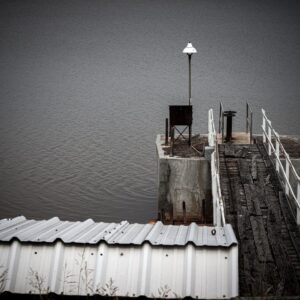
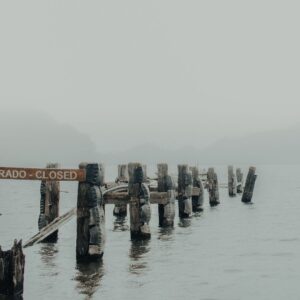
Dock Repair in DeLand, FL

If your dock rocks when you walk across it, or if pilings look leaned since the last storm season, you’re seeing what Lake Beresford does to docks. Freshwater with weed growth, wind chop, and moisture cycling wears the fasteners and framing faster than many homeowners expect. Around DeLand, docks near Hontoon Island State Park and throughout the waterfront show the same pattern: soft decking, leaning pilings, and settling sections after a year of weather. Dock repair in DeLand starts with understanding your water and your dock’s current state before anything else.

Common Dock Repairs on Lake Beresford

A leaning piling often signals wash-around below the mud line, which eventually pulls the deck out of level and makes walking unsafe. On Lake Beresford, freshwater with wind chop and weed growth accelerates this wear. If you spot a soft section underfoot, moisture has reached the fasteners, and that’s when dock leveling or piling repair becomes urgent. If your lift cable frays or the cradle binds, boat lift repair restores it. And cleaning and sealing slows the moisture cycle that weakens wood in the first place.

How We Work on Lake Beresford Docks

Who We Serve Around Lake Beresford

We work with homeowners on established DeLand neighborhoods along Lake Beresford, newer builds that need enhancement before their first big rain, and the semi-private waterfront properties that feed the St. Johns River system. Each situation is different: a residential dock near Hontoon Island access points may need lift-ready framing, while HOA-managed docks handle higher foot traffic. We’re familiar with Volusia County waterfront permitting and the freshwater conditions that mean choosing materials that resist weed-related moisture, not salt corrosion. Storm season inspections matter because Northeast Florida summer wind and rain expose what calm seasons hide.

Repair Now Before Storm Season

If your dock has been through a quiet year or two, a free assessment now tells you what’s actually wrong before you hear a quote. We walk the decking, check the piling bases, and test the lift if you have one. DeLand homeowners near the Lake Beresford shoreline and Hontoon Island access often find that a small repair now prevents a season-ending failure later. Call for your assessment.

Frequently Asked Questions

If a board feels soft underfoot or spongy when you step on it, moisture has likely worked into the fasteners underneath. A piling that leans, even slightly, suggests wash-around has started below the mud line. Sections that have settled unevenly after rain or wind are another sign. On Lake Beresford, freshwater and weed growth cycle moisture through the wood faster than dry climates, so spotting these early matters. Trust what you feel walking the dock more than what you see from above.

The scope of damage is the biggest factor. A single rotten section costs far less than multiple pilings that need reinforcement. Material choices also matter: marine-grade fasteners last longer than standard hardware on a dock exposed to Lake Beresford’s freshwater weed growth and moisture cycling. Dock size and whether your repair touches a boat lift or sea wall both add scope. And if your pilings have eroded below the mud line, the work takes more time and care. A walk-through assessment pinpoints exactly what your dock needs.

The weeks before Northeast Florida’s June-to-November hurricane season are the best window. If you spot problems in spring, getting them fixed before June weather hits means your dock is ready for wind and rain. Post-storm assessments matter too, especially after strong wind or water level swings that shift pilings. Winter calm can hide damage that summer exposes. On Lake Beresford, routine inspections every other year catch wear patterns before they become urgent. A seasonal walk-through takes an hour and prevents an emergency call in July.

It depends on what you find below the waterline. If pilings are solid below the mud line and only the decking and fasteners need work, repair is your answer. But if pilings show deep erosion or the main framing beams are compromised, replacement might cost less than staged repairs. A lot of DeLand homeowners think they need to replace when actually they need a careful repair. That’s why we assess first: walking the structure, testing wood condition, and checking piling bases tells you whether you’re protecting an existing dock or building new from the ground up.

Contact DeLand's Dock Repair Team

Most dock damage starts as a small symptom: a single board that feels hollow, a piling that moves when you lean on it, or a lift that hesitates on its cable. DeLand waterfront docks on Lake Beresford and the St. Johns River system often hide the real scope of wear below the water line. We assess before we advise, so you see the whole picture. Then we fix only what needs fixing, not what a salesman wants to sell.