
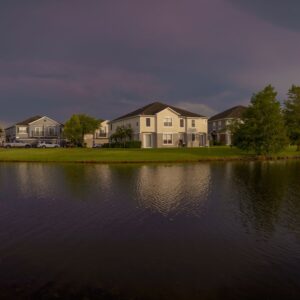
If your dock rocks when you walk across it, or pilings look tilted since the last storm season, Lake Monroe’s freshwater with constant weed growth and wind chop is likely the culprit. DeBary’s established waterfront homes and newer builds both face moisture-cycling wear that weakens fasteners and undermines pilings below the mud line. Whether your property sits near Gemini Springs or overlooks the St. Johns River inlet, dock repair in DeBary starts with understanding how our water conditions drive deterioration. What looks like settling often signals something active underneath.
A leaning piling often signals wash-around below the mud line, which left alone eventually pulls the decking out of level. Boards that feel soft underfoot usually mean moisture has reached the fasteners underneath. Freshwater with weed growth cycles moisture in and out of wood grain, accelerating decay. Piling repair handles the settlement and tilt, while dock leveling restores safe height after pilings shift. Boat lift repair addresses cable and cradle wear from constant use. Sea wall and bulkhead inspection catches undermining before sections fail entirely, and regular cleaning and sealing slows moisture penetration that accelerates decline.
DeBary’s waterfront runs across residential properties overlooking Lake Monroe, semi-private HOA-managed docks at Gemini Springs, and river properties with boat lifts. Each faces different wear patterns. Residential owners need fast assessment and clear repair plans; HOAs require coordination with multiple homeowners and Volusia County permitting. Our work with freshwater with weed growth conditions means selecting materials that resist moisture cycling, not salt spray. We’re familiar with pre-hurricane inspections and post-storm damage patterns that hit DeBary and the broader Northeast Florida waterfront. Understanding your dock’s specific setting, use, and condition drives our repair choices, not a one-size approach.
Most DeBary docks benefit from professional assessment before June when hurricane season arrives. We diagnose what’s actually causing problems, whether leaning pilings, soft decking, or undermined bulkheads, then provide clear repair quotes and realistic options. Schedule a free assessment near Lake Monroe or the St. Johns River access points. We’ll identify damage patterns and structural condition before weather accelerates deterioration.
Watch for pilings that lean outward or tilt after storms. Decking boards that feel soft underfoot indicate fasteners are corroded underneath. Sections that sink unevenly point to piling settlement below the mud line. Bulkheads with visible cracks or gaps allow water behind the structure, destabilizing it further. Lake Monroe’s freshwater with constant weed growth cycles moisture through wood grain, accelerating all of these symptoms. If your dock has been there ten or more years, a professional walkthrough usually catches problems before they force emergency repairs.
Damage scope matters most: a few rotted boards cost far less than replacing pilings below the mud line. Materials vary; marine-grade lumber for freshwater with weed growth exposure differs from treated wood for lighter applications. Dock size is significant; a one-hundred-square-foot platform requires different repair effort than a four-hundred-foot river system with boat lifts. Depth and accessibility drive labor. Whether damage is localized to one piling or systemic across an entire bulkhead shapes the repair plan. Location within DeBary and proximity to St. Johns River or Gemini Springs affects logistics.
Inspect before June when hurricane season begins. Spring is ideal for repairs because summer heat and wet season moisture can complicate curing times for sealants and fresh fasteners. If your dock shows damage now, fixing it before peak storm season prevents water infiltration that spreads decay across the whole structure. Post-storm repairs matter too; wind and wave action often expose problems you didn’t see before. Winter and early spring give contractors clear working days without afternoon thunderstorms that plague DeBary through fall.
Pilings below the mud line are the decision point. If they’re sound but decking is rotted, repair makes sense. If pilings are leaning, cracked, or soft, replacement may be more cost-effective long-term. Frame integrity matters; bent stringers or twisted joists often can’t be selectively repaired. Decking scope determines next steps: whether damage affects a few boards or most of the surface. Our assessment looks at all three areas, then compares repair cost to replacement over the dock’s remaining useful life. Most DeBary docks can be repaired strategically.
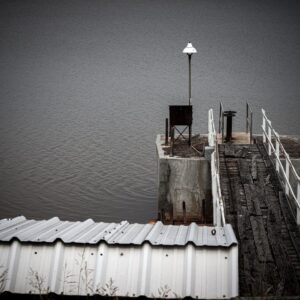

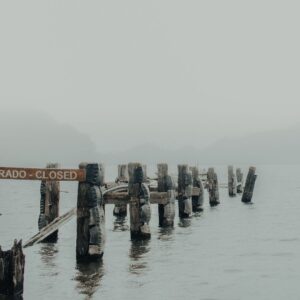
Docks age differently on Lake Monroe depending on piling depth, decking material, and exposure patterns. Our approach is assessment first, quote second. Whether your dock shows early rot, pilings tilted after spring storms, or a sinking section near DeBary Hall, we document the condition and explain repair vs. replacement straightforwardly. Waterfront property decisions matter. The diagnostic work upfront helps you decide with clarity instead of guessing which repairs matter most.