
If your dock rocks when you walk across it, or if pilings look leaned since the last storm season, the Intracoastal Waterway’s inlet currents and brackish tidal water are likely the culprit. Crescent Beach docks near Matanzas Inlet face stronger current stress than most neighborhoods in St. Johns County, and that constant push accelerates piling shift and decking settlement. Salt-air corrosion eats through fasteners faster here, too. These aren’t cosmetic problems. A spongy board underfoot or visible gaps between decking sections mean moisture has reached the structure underneath, and time is working against you. Dock repair in Crescent Beach needs to account for these specific water conditions.
A leaning piling often signals wash-around below the mud line, which if left alone eventually pulls the decking out of level and calls for piling repair. Soft boards underfoot usually mean moisture has reached the fasteners, and that’s when cleaning and sealing can slow decay, though structural damage might need dock leveling to restore slope and drainage. The Intracoastal Waterway’s brackish tidal water with salt-air corrosion and boat wake stress takes aim at seawalls and bulkheads too; undermining around the cap often requires sea wall repair. These repairs aren’t independent. One failing component stresses the next, so a full assessment catches problems before they cascade.
We work with homeowners with established docks and newer builds alike around Crescent Beach and the wider A1A south waterfront. Residential waterfront HOAs also turn to us when their shared docks show the strain of the Intracoastal Waterway’s brackish tidal water with salt-air corrosion and boat wake stress. We’re familiar with St. Johns County waterfront permitting and marine-grade material requirements, and we assess storm damage after Northeast Florida hurricane season when dozens of docks need post-season inspection. Whether you own a single slip or manage a small community waterfront, we treat the diagnosis as the starting point, not the selling point.
If your Crescent Beach dock shows any signs of settling or piling shift, request a free assessment before the next storm season hits the Matanzas Inlet area. We walk the structure, check piling depth below the mud line, and explain what we find before you commit to repairs. No pressure, no estimate creep. Just a clear diagnosis of what’s actually wrong and what options make sense.
Soft or spongy decking underfoot is the first warning sign, usually from moisture penetrating fasteners underneath due to brackish tidal water exposure on the Intracoastal Waterway. A leaning or tilted piling, visible separation between decking boards, or sections of the dock that sit lower than others after a storm all point to structural movement. If your dock rocks side to side when you walk across it, the pilings have likely shifted. In Crescent Beach, where inlet currents stress pilings harder than most of St. Johns County, catching these symptoms early prevents expensive cascade damage.
Repair costs depend on what’s actually damaged and how deep the problem reaches. A leaning piling might call for bracing and piling reinforcement, while soft decking could mean selective board replacement or full-deck reconstruction depending on the scope. The size of your dock and how much exposure it faces on the Intracoastal Waterway also matters: brackish tidal water with salt-air corrosion and boat wake stress corrodes fasteners and wood faster, so marine-grade materials are essential for durability. A thorough assessment uncovers these factors before any estimate, so you know what you’re paying for.
The ideal time to repair a dock in Crescent Beach is during the calm months between November and May, before the Northeast Florida hurricane season ramps up in June. If you spot problems during summer or fall, tackle them anyway rather than waiting; a failing piling or soft decking only gets worse with wind and rain stress. Post-storm inspections are critical, too. After heavy seas or severe weather, walk your dock and look for new tilting or separation, then call for an assessment while damage is fresh and material orders predictable. Planning repairs between seasons gives contractors clearer schedules and more lead time.
The answer lies below the mud line, not in what you see above water. If pilings are solid and the framing is intact, selective repairs to decking and fasteners often restore years of service life, especially on younger docks in residential Crescent Beach neighborhoods. But if pilings show rot, deep corrosion, or have shifted significantly, replacement may be the smarter long-term choice. That’s precisely why diagnosis comes first. We assess the underwater condition, check wood integrity, measure framing settlement, and then frame your options honestly. Some docks earn repair; others earn replacement. Only the assessment tells the real story.
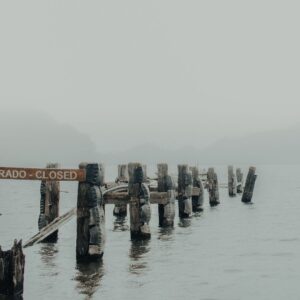
Dock failure in Crescent Beach doesn’t announce itself with a phone call. It whispers through soft boards and tilted pilings near the A1A corridor, and by the time it’s obvious, the real damage is below the mud line. That’s why we start with a thorough look, not a sales pitch. Bring photos, describe what you’ve noticed, and let us build a repair plan that matches what we actually find underneath.