
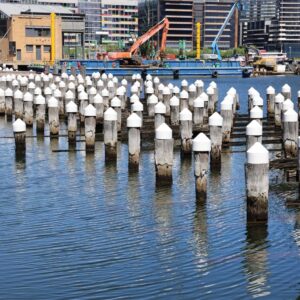

New dock construction in Matanzas Inlet balances shoreline conditions, permit workflow, and how you plan to use the dock. Salt-air corrosion and boat wake stress are constant pressures here in rural St. Johns County, where private docks often run longer to accommodate the landscape. As a dock builder serving Matanzas Inlet, we assess each site first, reviewing piling depth, material durability, and seasonal challenges before construction starts. Fort Matanzas National Monument anchors this stretch of river, and the homes and docks we see have earned their place through thoughtful design.
Whether you’re building from scratch or upgrading what’s already there, dock projects on Matanzas River shape how you use the water year-round. Dock enhancement can extend an existing structure, add capacity for a boat lift, or replace pilings that have weathered decades of brackish tidal water and salt-air corrosion. For homes experiencing shoreline erosion or boat wake stress, sea wall installation pairs with dock work to stabilize the property line and protect against the inlet’s strong currents. Boat lift construction and storm readiness planning round out typical project scopes, especially when heading into hurricane season.
Matanzas Inlet serves a rural mix of residential waterfront owners, from longtime family properties to newer builds around Rattlesnake Island and beyond. Each homeowner’s dock needs differ: some are replacing aging structures that can’t handle the inlet’s current flow and salt spray, others are adding boat lift capacity or reinforcing shorelines. We work closely with St. Johns County permitting and understand the state DEP requirements for this reach of the river. Material choices reflect brackish tidal water conditions, and scheduling accounts for hurricane season pressures. Whether your project is a straightforward piling replacement or a comprehensive shoreline overhaul, we walk the property first.
Contact us for a free site visit and consultation around Fort Matanzas. We’ll walk the dock location, review your project goals, timeline, and any existing conditions, then outline the material and piling strategy that makes sense for Matanzas Inlet. Realistic expectations come from understanding what the brackish tidal water, permit process, and seasonal demands require, not from templates or one-size-fits-all planning.
A new dock build in Matanzas Inlet starts with a site assessment: we evaluate the piling depth needed, water conditions like tidal flow and salt-air exposure, and shoreline stability. Permit workflow runs through St. Johns County and Florida DEP for shoreline work. Once approved, construction involves driving pilings to depth, installing decking and supporting frame, and hardening connections against boat wake stress. Projects on Matanzas River often include seawall reinforcement or additional bracing because of the inlet’s strong currents. Timeline depends on permit approval and weather, especially heading into hurricane season.
Several factors shape project scope and build cost. Dock size, piling depth, and material durability all vary based on the site. Brackish tidal water conditions mean marine-grade materials or pressure-treated wood rated for salt-air exposure. Boat wake stress from passing vessels affects frame design and connection strength. Whether the project includes boat lift installation or seawall work expands the scope significantly. Seasonal conditions like hurricane-season construction timing can shift logistics. Each Matanzas Inlet project is unique, which is why we assess first rather than quoting from templates.
Permit approval in St. Johns County typically takes four to eight weeks, depending on project scope and whether state DEP input is needed for shoreline work. Once approved, a straightforward dock build on Matanzas River runs two to four weeks, factoring in piling installation, decking, and hardware. Complex projects that include boat lift installation, seawall work, or significant reinforcement against the inlet’s current flow extend the timeline. Hurricane season, June through November, can affect crew availability and construction windows. Planning ahead gives us flexibility to coordinate with seasonal pressures and permit cycles.
Piling material depends on site conditions and project goals. Pressure-treated wood pilings are common, rated for brackish tidal water and salt-air exposure. Concrete pilings offer greater durability in high-stress areas or where boat wake stress demands extra stability. Decking choices range from pressure-treated lumber for budget-conscious builds to composite or hardwood for longer life and lower maintenance. Hardware, fasteners, and connections all step up to marine grade because Matanzas River’s conditions demand it. We assess the site first and recommend materials that balance durability, upkeep, and your long-term vision for the dock.
Whether you’re assessing an existing dock’s condition or starting a new build from scratch, our approach centers on understanding the site first. Matanzas River’s character and St. Johns County’s permit landscape shape every recommendation we make. Near Rattlesnake Island and across the inlet’s rural waterfront, we’ve built docks that perform in the face of tidal swings, salt-air exposure, and seasonal stress. Reach out to discuss your project scope in detail and get realistic timelines.