
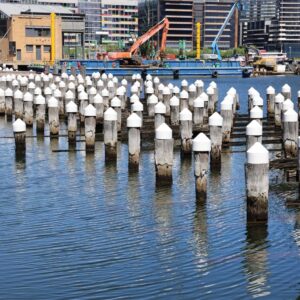
Before choosing decking or piling materials, it is worth understanding how St. Johns River conditions shape the construction. Whether you’re building a new dock on the St. Johns River or replacing an existing structure that’s outlived its useful life, Fort Caroline’s waterfront demands a clear-eyed approach to construction. The St. Johns River here is brackish tidal water with salt-air corrosion and boat wake stress that will test whatever you build. Shoreline-sensitive methods matter when you’re working inside the Timucuan Ecological Preserve. A dock builder in Fort Caroline, FL needs to understand Duval County permitting, material durability under tidal pressure, and the real timeline before breaking ground. That’s where site assessment and honest scoping come first.
A new dock or dock enhancement can extend an existing structure, add a boat lift, or replace deteriorated pilings in phases depending on site conditions and your timeline. Brackish tidal water with salt-air corrosion and boat wake stress means material selection drives longevity and maintenance reality. Boat lift installation scope depends on water depth and seasonal tidal range on the St. Johns. Sea wall or bulkhead work addresses erosion alongside dock structures. Pre-build dock inspection services help homeowners understand existing condition and what replacement versus enhancement makes sense before committing.
Residential waterfront homeowners in Fort Caroline neighborhoods manage the complexities of St. Johns River tidal water conditions and Duval County shoreline permitting. Semi-private community docks and HOA-managed waterfront properties add another layer of coordination complexity. We’re familiar with the environmental permitting workflows for work inside the Timucuan Ecological Preserve, where shoreline-sensitive construction methods aren’t optional but essential. Marine-grade materials for those conditions conditions mean your dock lasts under real conditions. We coordinate project schedules around Northeast Florida hurricane season and understand how pre-season assessments and storm readiness planning save money and stress.
Request a site walk and consultation for your Fort Caroline dock project. We assess water depth, tidal range, piling condition, and how your scope aligns with environmental requirements near Fort Caroline National Memorial. We walk the site first, review decking and piling material options, discuss realistic construction timelines and seasonal planning around hurricane season, then outline project sequence and costs before any commitment.
Building a new dock in Fort Caroline starts with site assessment of water depth, bottom composition, tidal range, and shoreline sensitivity near Timucuan Ecological Preserve. Permit workflow in Duval County involves environmental review and Florida DEP coordination for shoreline work. Construction sequencing depends on piling depth and material selection for these waterway characteristics conditions. The build itself spans foundation driving, decking installation, hardware finishing, and seasonal timing around hurricane season. Clear scope before permits saves time and cost.
Dock cost depends on final structure size, piling depth driven into hard bottom, decking material choice, and whether the project includes a boat lift or seawall. Brackish tidal water with salt-air corrosion and boat wake stress conditions require marine-grade hardware and treated or composite materials, which cost more than standard alternatives. Permits in Duval County and environmental assessments near the Timucuan Ecological Preserve add timeline complexity. Seasonal labor availability around hurricane season also factors into scheduling. A realistic estimate requires site assessment first.
Permit approval in Duval County typically takes four to eight weeks depending on environmental review complexity near Timucuan Ecological Preserve. Once permits clear, actual construction spans three to six weeks for a standard residential dock, longer if the project involves piling replacement in deep water or seawall work. Northeast Florida hurricane season (June through November) affects material delivery and labor scheduling, so off-season builds move faster. Site conditions like bottom composition and tide range on St. Johns River shift timeline. Honest scoping upfront prevents surprises.
Piling materials for Fort Caroline docks include pressure-treated wood and concrete pilings, chosen based on water depth and bottom composition on St. Johns River. Decking options span pressure-treated lumber, composite boards, or hardwood like cumaru, selected for durability under the local waterway environment conditions. Marine-grade hardware like stainless steel fasteners and connector plates resist corrosion. We assess site conditions and your maintenance tolerance first, then recommend piling depth and material combination that balances upfront cost and long-term durability around Duval County’s tidal environment.
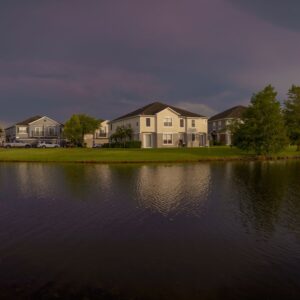
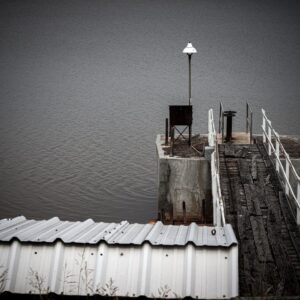
Building a new dock or enhancing an existing one in Fort Caroline means understanding site-specific water conditions and what materials survive those conditions. We start with a site walk and clear-eyed assessment of your structure or vision. No pressure to move fast. Permits in Duval County take time, and shortcuts cost money later. Contact us to discuss your project around the St. Johns River.