
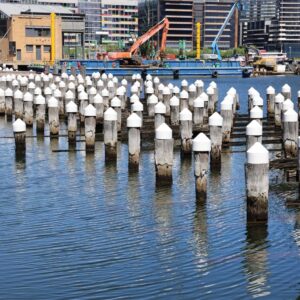

Every Amelia Island waterfront property presents different construction challenges. Amelia River’s brackish tidal water brings salt-air corrosion and regular boat wake stress that demand material selection and piling depth informed by actual site conditions. Homes around Amelia Island Plantation and Fort Clinch State Park often blend river frontage with creek-back access, so many projects combine main docks with smaller secondary docks. A dock builder in Amelia Island works within those realities from the start.
New dock construction, dock enhancement work, and boat lift installation on Amelia River all start with understanding your waterfront conditions and project scope. The brackish tidal water and salt-air corrosion here demand material choices that can handle those conditions long-term, so we assess piling depth, evaluate any existing structure if replacing, and outline whether your project involves sea wall or bulkhead work. Enhancement work can extend an existing dock, add a boat lift, or replace deteriorated pilings in manageable phases. Pre-build site inspections clarify what your waterfront will actually support.
We work with established homeowners around Amelia Island Plantation, newer builders on fresh waterfront lots, and HOA-managed communities maintaining shared dock systems on Amelia River. Each project is shaped by its customer: a residential enhancement might prioritize easy maintenance and seasonal storm readiness, while a commercial or communal dock needs more robust pile construction and durability planning. Familiar with Nassau County shoreline permitting workflows, we account for the brackish tidal water and salt-air corrosion that affects material specifications here. We also coordinate schedules around hurricane season planning, which reshapes realistic timelines for jobs in Northeast Florida.
A free dock consultation starts on-site at your Amelia Island property near Fort Clinch State Park or wherever your waterfront is located. We walk the site, review your project goals, outline realistic materials and construction timelines based on actual Amelia River conditions, and then provide complete clarity on what your dock build actually involves. No guessing, no hidden assumptions. Let’s start with a conversation about your project.
A new dock build on Amelia Island starts with a site walk to assess waterfront depth, bottom composition, Amelia River tidal conditions, and any existing structures. Next comes the permit application through Nassau County and Florida DEP for shoreline work, which typically involves timeline and setback requirements specific to the jurisdiction. Construction follows the permit approval and includes piling installation, decking, hardware, and utility hookups if needed. The brackish tidal water and salt-air corrosion here shape material selection at every stage.
Several factors shape the scope and cost of your dock project in Amelia Island. Dock size and decking area come first, then piling depth required by the waterfront (Amelia River depth and bottom type vary significantly), the material grade needed for brackish tidal water with salt-air corrosion and boat wake stress, and whether the project includes a boat lift, new seawall, or other enhancements. Permit complexity, site access, and seasonal scheduling also affect build timelines and labor needs. A site assessment clarifies all these variables.
Permit approval in Nassau County typically takes four to eight weeks depending on project scope and DEP review complexity, though simpler residential docks may move faster. Once permits are in hand, actual dock construction ranges from two to six weeks based on dock size, piling depth, material availability, and weather. Northeast Florida hurricane season (June through November) reshapes realistic scheduling, so planning your build during other months can speed timelines. A detailed site assessment and permit consultation up front sets realistic expectations for your entire project.
Material selection depends on the dock’s location, use, and exposure to Amelia River’s brackish tidal water and salt-air corrosion. Pilings can be pressure-treated wood for standard residential docks or concrete for longer-term durability in high-corrosion environments. Decking ranges from pressure-treated lumber (cost-effective) to composite materials (lower maintenance) to hardwoods (premium look and durability). All fasteners and hardware must be rated for the corrosive brackish environment and boat wake stress typical here. A site walk and your project goals determine the best material combination for your waterfront.
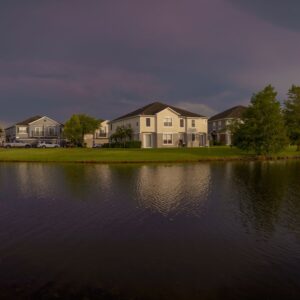
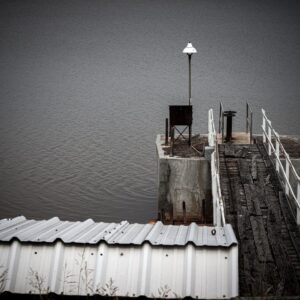
Your dock project begins with a realistic conversation about what your Amelia Island waterfront actually needs. Whether your site is on Amelia River, Egans Creek, or elsewhere around the island, we walk it first, assess local conditions, and outline a build plan that matches your property and goals. No premium pricing for services you don’t need, no shortcuts on the materials that matter for brackish tidal water. Reach out to discuss your dock build on Amelia Island today.