
As hurricane season approaches, Jacksonville Beach dock owners must be vigilant in preparation for major storms. The potential for destructive weather means that taking proactive steps can make a significant difference in protecting both property and boating equipment. With the right storm readiness planning in Jacksonville Beach, dock owners can mitigate damage and safeguard their vessels. This article outlines essential actions to take before a major storm hits.
Understanding the Risks: Storm Preparation for Jacksonville Beach Dock Owners
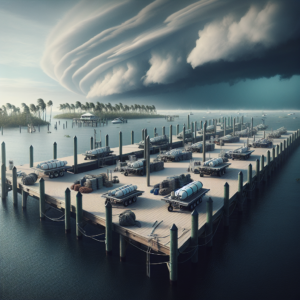
The coastal geography of Jacksonville Beach makes it particularly susceptible to the impacts of hurricanes and severe storms. Strong winds, heavy rainfall, and high tides can wreak havoc not only on residential homes but also on docks and boats. Dock owners must understand these risks to effectively prepare for the worst.
A crucial step in storm preparation is to stay informed about potential storm threats. This includes monitoring weather forecasts, local meteorological alerts, and evacuation orders. Keeping a close eye on the development of tropical storms and hurricanes is vital.
Developing a Hurricane Dock Checklist
Creating a hurricane dock checklist tailored for Jacksonville Beach can streamline the preparation process. Here’s a comprehensive guide to ensure that you cover all necessary bases before a major storm:
1. Secure Your Boat
Begin by securing your boat at the dock. This involves ensuring that all lines are properly tied and in good condition. Use fenders and dock bumpers to protect your vessel from potential impact against the dock. If you anticipate extreme weather, consider removing your boat from the water and storing it on land in a safe location.
2. Clear the Dock Area
Remove any loose items from the dock that can become projectiles in windy conditions. This includes furniture, decorations, fishing gear, and even small boats. These items can easily cause damage not just to your dock but also to neighboring properties.
3. Inspect Dock Infrastructure
Check the structural integrity of your dock. Look for any signs of wear and tear, such as loose boards or rusted hardware. Tighten any screws and bolts to ensure that your dock can withstand heavy winds and water movement. If necessary, reinforce weak points to add extra stability.
Storm Readiness Planning in Jacksonville Beach
Storm readiness planning in Jacksonville Beach should involve not just the physical preparation of your dock but also having a solid communication plan. Here are some strategies to consider:
4. Create a Family Communication Plan
In the midst of a storm, maintaining contact with family members can become challenging. Create a communication plan that includes an emergency contact list and pre-determined meeting locations. Ensure that all family members are aware of this plan.
5. Monitor Local Emergency Updates
Stay updated on local emergency protocols through city and county sources. Jacksonville Beach often has specific instructions based on the impending storm’s severity. Knowing when to evacuate or take further precautions will help keep you and your family safe.
6. Document Your Property
Before a storm hits, take photos of your dock, boats, and any equipment. This documentation can be invaluable for insurance claims in case of damage. Make sure you store these images safely, perhaps in a cloud-based system, so that they are accessible even if you’re away from home during the emergency.
Preparing for Elevated Water Levels
Elevated water levels can significantly impact docks and marina facilities. Understanding how high tides and storm surges affect your property is critical to storm readiness planning in Jacksonville Beach.
7. Elevate Equipment
Store any equipment that can’t withstand flooding at higher elevations. This includes tools, fuel supplies, and maintenance materials. If possible, move your dock’s electrical connections to higher ground to prevent water damage that could lead to dangerous electrical hazards.
8. Examine Nearby Vegetation
Check surrounding trees and shrubs to see if they could pose a threat during the storm. If there are dead or severely leaning trees, consider having them removed. Falling branches can damage docks and boats, creating potential safety hazards.
Have an Emergency Kit Ready
No storm preparation is complete without an emergency kit. Make sure your dock has a well-stocked kit that includes:
9. Essential Supplies
– Flashlights with extra batteries
– First aid kit
– Non-perishable food and water supplies
– Whistle for signaling
– Local maps
Keeping these items accessible can save precious time when facing an imminent storm. It’s also wise to consider any pets you may have and prepare accordingly.
10. Insurance Check
Review your insurance policy for your dock and boats. Make sure you are covered for storm damage and understand your deductibles. If your policy is lacking, consider reaching out to your insurance agent ahead of the storm to make necessary adjustments.
Post-Storm Recovery Steps
After the storm, the preparation doesn’t stop. Depending on the extent of the damage, there are several critical steps to follow:
11. Inspect for Damage
Once it’s safe to do so, inspect your dock and boats for any damage. Document and report any issues to your insurance provider immediately. Early assessment can help in expediting repairs.
12. Clean Up Debris
Clear away any debris that may have accumulated during the storm. This includes fallen branches, garbage, and any parts of the dock that may have been loosened. Keeping your dock clean is essential for safety and functionality.
In summary, storm preparation is not just about weathering the storm; it’s about proactive actions that protect your dock, your property, and your peace of mind. Following this hurricane dock checklist and engaging in storm readiness planning in Jacksonville Beach will go a long way in ensuring that you are well-prepared should a major storm approach.
Taking the right steps before, during, and after a storm can help minimize damage and safeguard your investment. Be prepared, stay informed, and keep your family safe.